
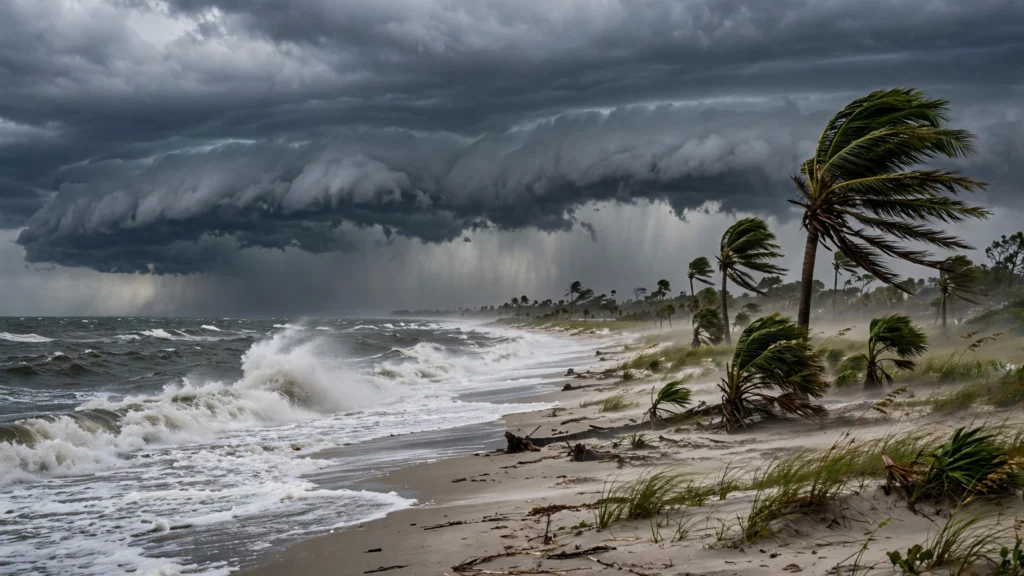
Tropical Storm Isaias Florida: Emergency in 25 Counties
Tropical Storm Isaias formed in the southwestern Gulf early Wednesday, October 7, and forecasters expect it to strengthen rapidly into a hurricane before reaching the northern Gulf Coast late this week, according to the National Hurricane Center. Florida Governor Ron DeSantis has declared a state of emergency in 25 north Florida counties as the state stages supplies and personnel ahead of the storm, the Tallahassee Democrat reported.
As of early Wednesday, Isaias carried sustained winds of about 40 mph and sat roughly 600 miles south of the mouth of the Mississippi River, according to CNN’s summary of the Hurricane Center forecast. The storm is expected to move east-northeast, pass north of Mexico’s Yucatan Peninsula on Thursday, then turn north toward the U.S. Gulf Coast.
Tropical Storm Isaias Forecast: Category 2 Before Landfall
Forecasters say Tropical Storm Isaias is likely to become a hurricane on Thursday, October 8, and could peak as a strong Category 2 storm with winds near 110 mph late Thursday or early Friday, the Pensacola News Journal reported. A major hurricane begins at Category 3, with winds of at least 111 mph, so Isaias is currently forecast to land just below that threshold.
The most likely landfall zone runs from coastal Mississippi to the western Florida Panhandle, according to hurricane specialist Michael Lowry, cited by the Pensacola News Journal. Landfall is expected late Friday or early Saturday. Forecasters caution that the exact track is still uncertain, and that damaging winds, life-threatening storm surge and coastal flooding could extend well east of wherever the center comes ashore.
- Current strength: tropical storm, winds near 40 mph
- Forecast peak: Category 2, winds near 110 mph
- Expected landfall: late Friday to early Saturday, northern Gulf Coast
- Main threats: storm surge, flooding rain, damaging winds, isolated tornadoes
- Rainfall: up to about six inches in parts of the western Panhandle, per the Palm Beach Post
Florida’s Emergency Declaration Covers 25 Counties
DeSantis signed the emergency order on Tuesday, before the system was named, covering counties from Escambia in the western Panhandle east to Baker County, including Bay, Gulf, Franklin, Leon, Walton, Okaloosa, Santa Rosa and Washington counties, the Tallahassee Democrat reported. The declaration lets the state pre-position resources, activate the National Guard if needed, open shelters, block price gouging and request federal assistance.
The Florida Division of Emergency Management is staging generators, fuel, flood barriers, bottled water, shelf-stable meals, tarps and sandbags in the Tallahassee and Santa Rosa County areas for rapid deployment, according to state officials cited in local coverage. Emergency managers are particularly concerned about flash flooding, because many areas have already received heavy rain in recent weeks and soils are saturated.
As of Wednesday morning, no hurricane or storm surge watches had been issued, but the National Hurricane Center said watches for part of the northern Gulf Coast were likely later in the day, the Pensacola News Journal reported.
The Season’s First Hurricane, Arriving Exceptionally Late
If Isaias reaches hurricane strength as forecast, it will be the first Atlantic hurricane of the 2026 season, CNN reported. Eight named storms formed before it this year without any reaching hurricane intensity, an extraordinary lull that forecasters link in part to a likely record-strong El Niño. The wait for a first hurricane is the longest the Atlantic has seen since the early 1900s, according to The Sun’s coverage of the forecast.
The Palm Beach Post noted that a hurricane landfall would also be the first in the United States since Hurricane Milton in 2024, which formed in the same part of the Gulf — the Bay of Campeche — that produced Isaias.
What Residents Should Do Now
State and local officials are urging Gulf Coast residents from Louisiana to Florida’s Big Bend to treat Wednesday and Thursday as the main preparation window, before conditions begin deteriorating on Friday. Recommended steps from emergency managers include:
- Review your evacuation zone and family disaster plan
- Restock hurricane supply kits with water, food, batteries and medications
- Secure outdoor furniture and check generators before the storm arrives
- Monitor National Hurricane Center updates and local warnings, including overnight alerts
- Expect dangerous surf and rip currents along the Gulf Coast late this week
Forecasters stress that residents outside the immediate landfall zone should not let their guard down: the storm’s wind field is expected to grow as it approaches, spreading heavy rain, tornado risk and surge flooding across a wide stretch of coastline. The next full Hurricane Center updates will refine the track and intensity forecast as Isaias strengthens over the warm Gulf waters.
Pingback: Hurricane Isaias Strengthens Toward Gulf Coast Landfall - RadioSea
Pingback: Hurricane Isaias Leaves Hundreds of Thousands Without Power
Pingback: Ohio Chemical Release Forces Evacuations in Toledo Area