
Stephen Miller begins his tenure as White House chief of staff on Monday, November 9, replacing Susie Wiles in the most significant personnel shake-up of President Donald Trump’s second term. The Stephen Miller chief of staff appointment comes days after Republicans lost control of both the House and the Senate in the midterm elections, and it signals that Trump intends to double down on his agenda rather than moderate it.
Trump announced the change on Friday on Truth Social, writing that Miller, his deputy chief of staff, would become chief of staff starting Monday. “Stephen’s been with me from the beginning. He gets it,” the president said. Wiles, the nation’s first female White House chief of staff, will move to the president’s political operation.
Miller, 41, has been at Trump’s side since 2015 and is the architect of the administration’s hardline immigration policies. His promotion places one of the president’s most loyal and combative advisers in charge of coordinating the White House staff and the administration’s policy priorities for the remaining two years of Trump’s second term.
Why Wiles left
Wiles submitted her resignation on Thursday evening, according to people familiar with the matter cited by CNN and the Associated Press. She confirmed on Friday that it was her last day as chief of staff, writing on X: “Today is my last day as White House Chief of Staff. While my role may be changing, my commitment to the President and the mission never will.”
The departure followed a bruising midterm result. Republicans lost their majorities in both chambers of Congress on November 3, and Trump voiced fury at the strategy that led to the defeats, according to sources cited by CNN. Wiles had become a target of former chief strategist Steve Bannon and other allies of the president’s movement, who blamed her for the losses.
Wiles, 69, worked on all three of Trump’s presidential campaigns before becoming chief of staff. She was the longest-serving White House chief of staff in Trump’s tenure and was praised by the president for doing an “outstanding job” even as he replaced her. She was diagnosed with breast cancer in March this year and stayed in her role as she started treatment, according to The Times.
Who Stephen Miller is
Miller is a veteran of Trump’s first term, where he served as a senior adviser and speechwriter, and he has been deputy chief of staff for policy and homeland security adviser since the start of the second administration in January 2025. In that role he wielded outsize influence across much of the domestic agenda, advocating for an expansive view of executive power.
He is best known as the driving force behind the administration’s immigration enforcement, including the deportation campaign that became one of the most controversial policies of the second term. Industries that rely heavily on immigrant labor, including agriculture and construction, reacted with alarm to his promotion, according to the Washington Post. Leaders of groups representing those sectors said they were stunned by the elevation of the chief architect of deportations just days after voters signalled anger about the policies.
Miller posted on X on Friday: “It has been the privilege of my lifetime to have served on his team from Day One, and I am honored beyond words to serve as his White House Chief of Staff.” The White House confirmed he would become the 33rd chief of staff.
A signal to Congress and the country
The timing of the appointment carries a clear message. With Democrats set to take control of Congress in January and planning investigations into the administration, Trump has chosen as his gatekeeper the adviser most associated with the policies voters rejected in the midterms.
Analysts cited by USA Today described the move as the most significant White House personnel change of the second term, and one that shows Trump is not ready to retreat from his agenda despite the incoming Democratic-controlled Congress. The promotion also consolidates power in the hands of a loyalist at a moment when the president is preparing for a difficult lame-duck session and a confrontation with a new congressional majority.
Congress returns on Monday for a five-week lame-duck session, and the new chief of staff will immediately face a crowded agenda: the transition to a divided government, the administration’s response to the election results, and the president’s stated desire to reach an immigration deal with Democrats after acknowledging his deportation policy may have been “too tough.”
What the Stephen Miller chief of staff appointment means
Miller’s first weeks will test whether his reputation as an ideologue translates into the managerial role the chief of staff job demands. The position requires coordinating competing factions inside the White House, managing the president’s schedule and information flow, and negotiating with Congress. Miller has spent his career as a policy advocate rather than a manager, and how he adapts will shape the final two years of the administration.
For Wiles, the move to the Trump Political Operation keeps her inside the president’s orbit, though her new responsibilities have not been specified. For Trump, the appointment is a bet that loyalty and ideological clarity matter more than the conciliatory signal a different choice might have sent.
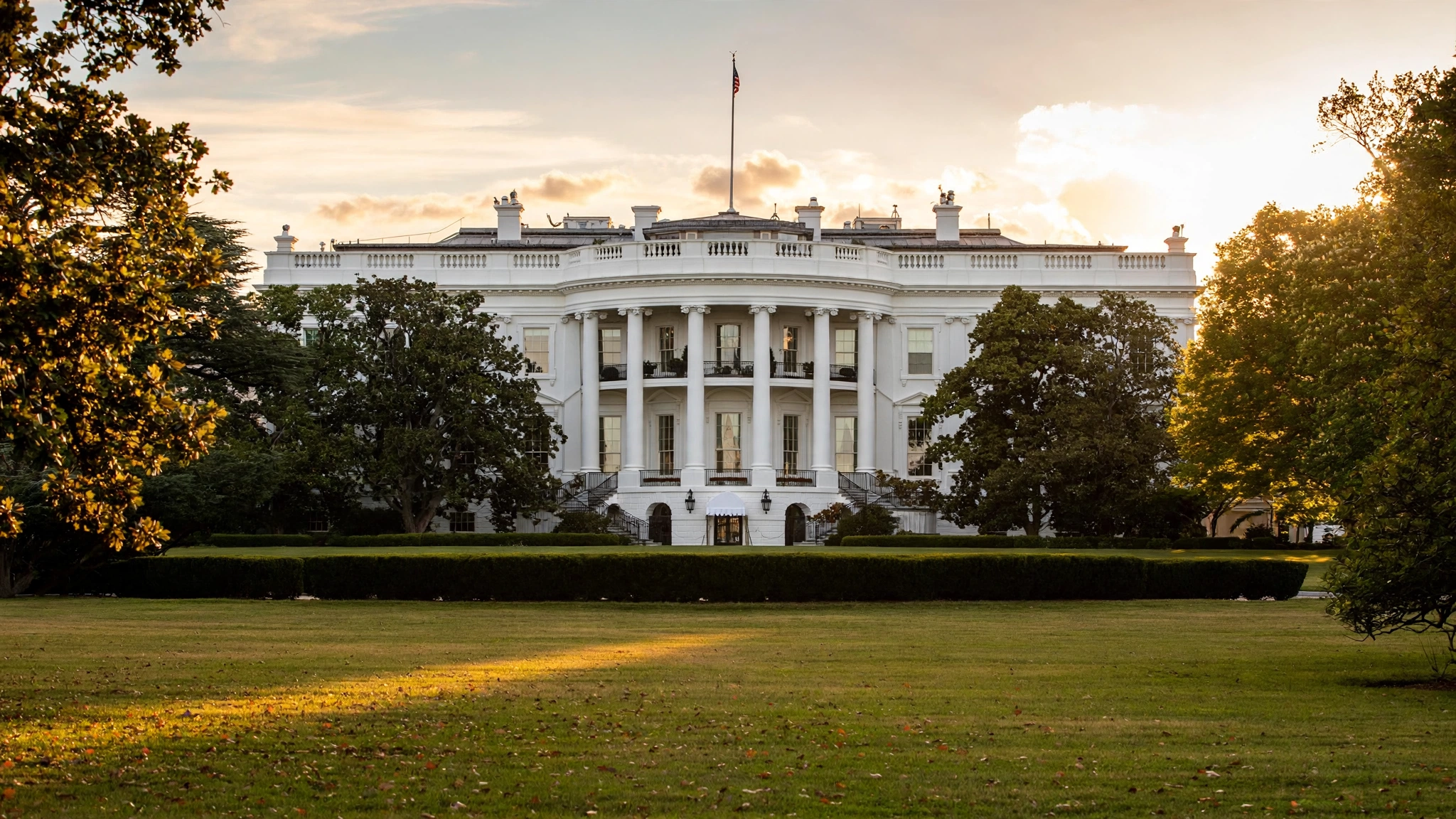
The change takes effect on Monday, and with it the White House enters a new phase: a chief of staff who helped design the administration’s most polarising policies now runs the building where those policies are made.