
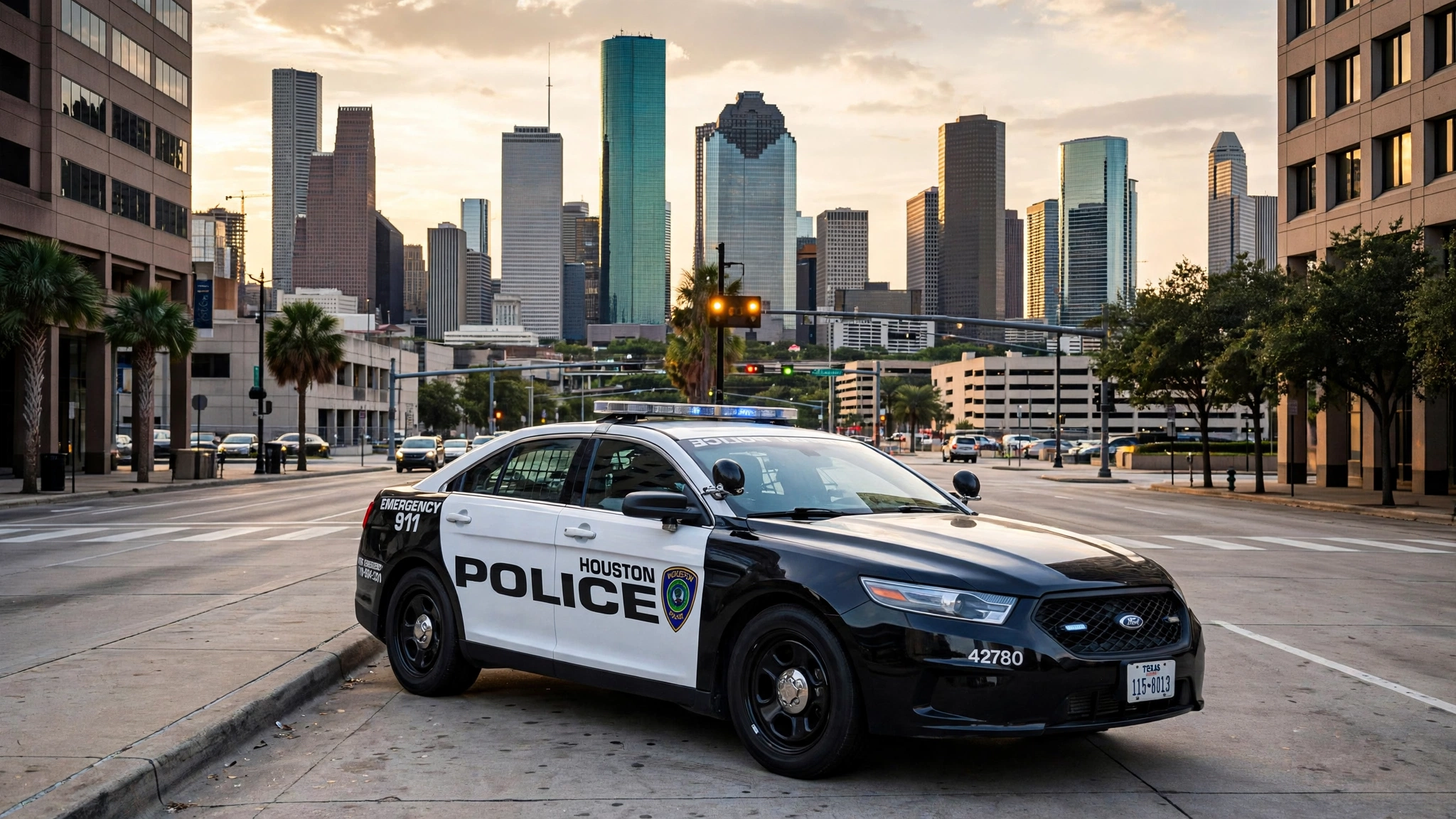
Houston Mayor John Whitmire has ordered the city’s police department to sharply limit its cooperation with US Immigration and Customs Enforcement (ICE), in one of the first major policy shifts to follow the Democratic Party’s sweeping victories in Texas this week.
Whitmire signed an executive order on Friday directing Houston police to contact ICE only when a person is being arrested on a jailable offence and has an outstanding ICE administrative warrant. Suspected immigration status alone will no longer be a basis to contact federal agents, prolong a detention, or hold anyone in custody.
“I have signed an executive order directing HPD to no longer contact ICE for nonviolent offenses, helping reduce fear in our communities,” Whitmire said in a statement. “As I’ve said many times, elections matter.”
What the Houston ICE cooperation order changes
Under the new rules, a person stopped for a minor traffic violation will no longer be referred to ICE simply because of an administrative immigration warrant. Houston Police Chief Noe Diaz explained the change in plain terms: “If our police officers pull someone over for a minor traffic infraction and they write a citation, that person receives a citation and goes about their day. HPD will no longer contact ICE if they have an administrative warrant and they are not arrested.”
The executive order states that department personnel shall contact ICE regarding a person only if that person is already going to jail on new charges or other warrants and has a positive National Crime Information Center hit for an ICE administrative warrant.
The order reverses a policy Whitmire himself put in place in April, under pressure from outgoing Republican Governor Greg Abbott. That earlier policy had restored greater discretion for officers to contact ICE and wait for federal agents during encounters involving civil immigration warrants.
The Texas election that made it possible
Whitmire acted days after Democrats swept statewide offices in Texas for the first time in decades. Democrat Gina Hinojosa defeated Abbott in the governor’s race, making her Texas’ first Latina governor and the first Democrat to hold the office in more than 30 years. Democrats also won every other statewide office and flipped several congressional seats held by Republicans.
Whitmire said he had consulted Hinojosa, the newly elected lieutenant governor, and the comptroller-elect before signing the order. He described the decision as a step toward healing, saying it was meant to “reduce fear and anxiety” across Houston, the most populous city in Texas and the fourth-largest city in the United States.
The mayor acknowledged that Hinojosa will not take office until January, but characterised his decision as responsible and more effective policy. The shift is one of the first actions by a Texas elected official to restrict ICE operations in response to the midterm results.
Conflict with state law and funding threats
The new policy runs counter to Republican-backed state law. Texas Senate Bill 4, which Whitmire opposed when he served as a state senator, requires local law enforcement to cooperate with federal immigration authorities.
The clash is not new. In April, Houston City Council passed an ordinance prohibiting officers from holding someone or extending a stop to wait for ICE. Abbott, who aligned closely with President Donald Trump’s immigration policies, threatened to withdraw about $110 million in public safety grants from Houston if the city did not repeal the ordinance.
Whitmire’s executive order now puts the city on a collision course with state authorities again, though the political landscape has changed. With Democrats taking power in Texas, the state government that once threatened Houston’s funding will soon be led by officials who support the new approach.
What it means for Houston residents
For many Houston residents, particularly in immigrant communities, the order is intended to rebuild trust in local police. City officials argue that when residents fear that any contact with police could lead to deportation, they are less likely to report crimes or cooperate with investigations.
Immigration advocates welcomed the move, while critics argue that limiting cooperation with federal authorities undermines the rule of law. The debate is likely to intensify as other Democratic-led cities consider similar steps.
The order also comes as President Trump has promoted Stephen Miller, the architect of the administration’s immigration crackdown, to White House chief of staff. The contrast between the federal government’s hardline approach and Houston’s new direction captures the immigration fight that is now playing out across the country.
Whitmire’s message was direct: “Let’s go to work.” For Houston, the work begins with a police department that will now treat immigration enforcement as a federal matter, not a local one.