
Iran war after midterms warnings have been delivered to several Gulf Arab countries, with the United States telling them to prepare for a possible “short, intense military campaign” against Iran after the November 3 midterm elections, the Wall Street Journal reported on Tuesday, citing people briefed on the conversations.
The messages, conveyed through diplomatic and military channels, are among growing signs that the United States and Israel are preparing a new round of heavy combat operations to weaken Iran and push it toward negotiations, according to the Journal’s report, as carried by Anadolu Agency.
The United States military is moving a Patriot missile defence system from Texas to the region and has moved troops from bases where they were vulnerable, while American forces are restocking munitions and preparing bombers and fighter jets for strikes, the newspaper said, citing officials.
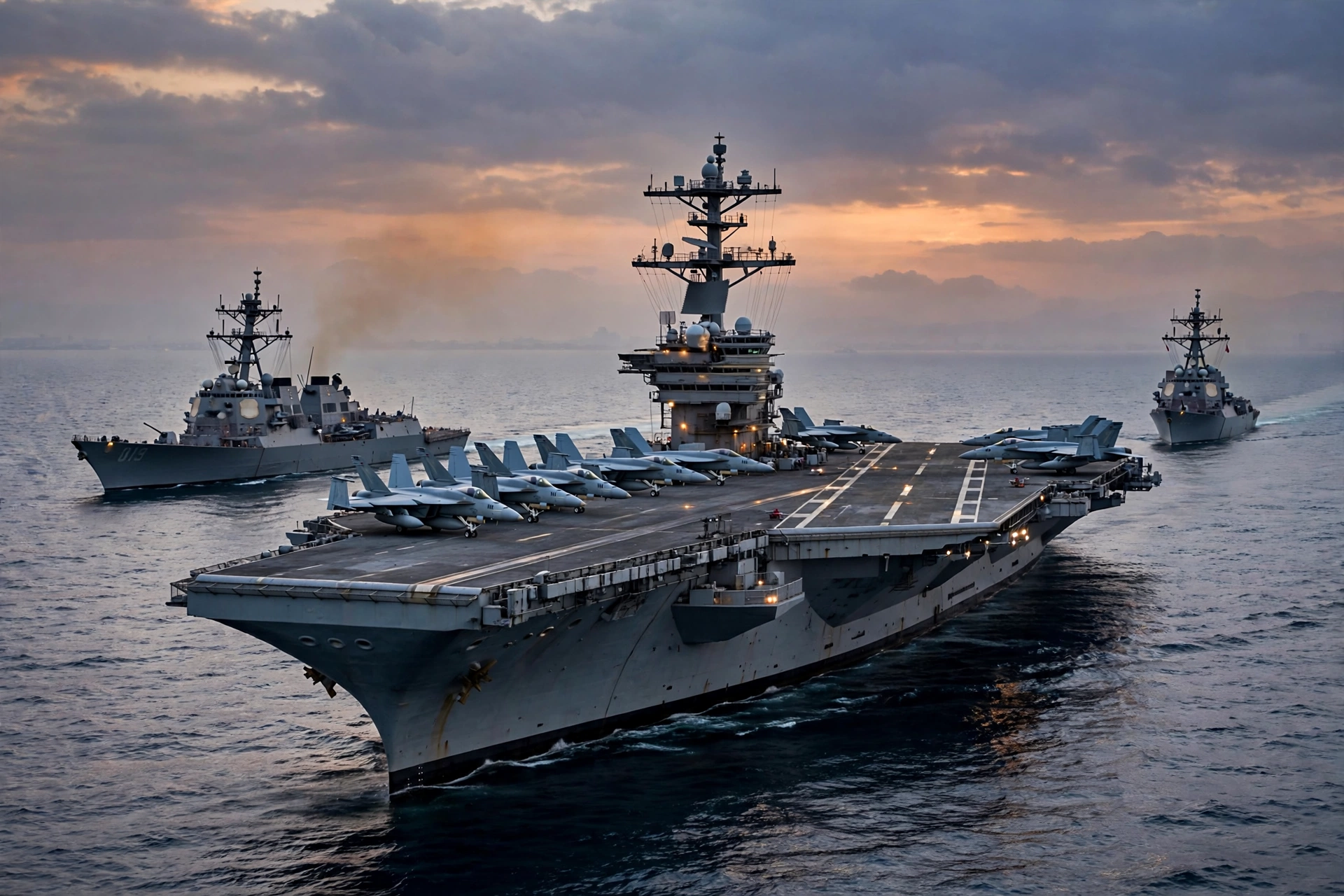
An additional aircraft carrier strike group and a Marine expeditionary unit are expected to join roughly 20 US warships in the Middle East next month, the report added.
Iran war after midterms: what Trump has and has not decided
President Donald Trump has not made a final decision but is leaning toward a “large postelection attack” that could target Iranian infrastructure and nuclear sites, the report said, citing people familiar with his thinking.
The White House declined to comment on “sensitive military plans that may or may not exist,” according to the report. It added: “President Trump keeps all options on the table to ensure that Iran can never have a nuclear weapon.”
Speaking at a campaign rally in Lubbock, Texas, on Tuesday, Trump said: “You’ll see Iran in a couple of weeks, if you don’t mind.” He also said the United States had “obliterated Iran’s nuclear enrichment capacity” in earlier operations and defeated Iran “militarily, financially and otherwise,” adding: “And it will all end very soon.”
Trump has previously said that he will not attack Iran before the midterms, a point the report also noted. That timing, if it holds, would place any decision in the days after voters go to the polls on November 3.
Nuclear inspections and the wider context
The warning comes as international inspectors continue to press for access to Iranian nuclear sites. United Nations International Atomic Energy Agency Director General Rafael Grossi told a UN Security Council meeting on Monday that there has been no indication Iran has tried to repair or reconstruct nuclear facilities damaged in US and Israeli military strikes over the past two years, according to Just Security’s summary of the meeting.
Grossi urged Iran to give IAEA inspectors access to all nuclear sites, the summary said. The agency has not been able to verify the status of Iran’s stockpile of near weapons-grade uranium since the United States bombed its sites last year, but Grossi said: “Since June 2025, we have not identified any activity to repair or reconstruct.”
That assessment sits alongside the military preparations described in the Journal report. Together, they frame a central question for the coming weeks: whether diplomacy, deterrence, or a new round of strikes will shape the next phase of the confrontation with Iran.
What the buildup signals to the region
- Additional air defences, including a Patriot system moved from Texas, point to concern about retaliation against US and allied positions.
- Restocked munitions and prepared bombers and fighter jets suggest forces are being positioned for rapid action if an order is given.
- A larger naval presence, including a new carrier strike group, would expand strike and defence options in the region.
- Warnings delivered through diplomatic and military channels suggest Gulf states are being asked to prepare, not merely informed after the fact.
For Gulf governments, the warning creates a difficult balance. They have an interest in regional stability and in avoiding a wider war, but they also host American forces and depend on Gulf shipping routes that could be affected by any escalation.
For American voters, the timing matters as well. A decision taken after the midterms would land in a different political environment from one taken before them, and the rally remarks in Lubbock suggest Trump is already framing Iran as a post-election issue.
Until a final decision is announced, the reports should be read as preparation and signalling rather than as confirmation of an attack. The White House has not confirmed a plan, and the Journal’s account rests on people briefed on private conversations. What is confirmed is the direction of travel: more forces, more warnings, and a president publicly pointing to Iran “in a couple of weeks.”