US Sanctions International Criminal Court in Sweeping Move
The United States announced US sanctions ICC measures on Friday, October 9, adding the International Criminal Court itself to the Treasury Department’s sanctions list, according to statements from Secretary of State Marco Rubio and reports from Reuters and the Associated Press.
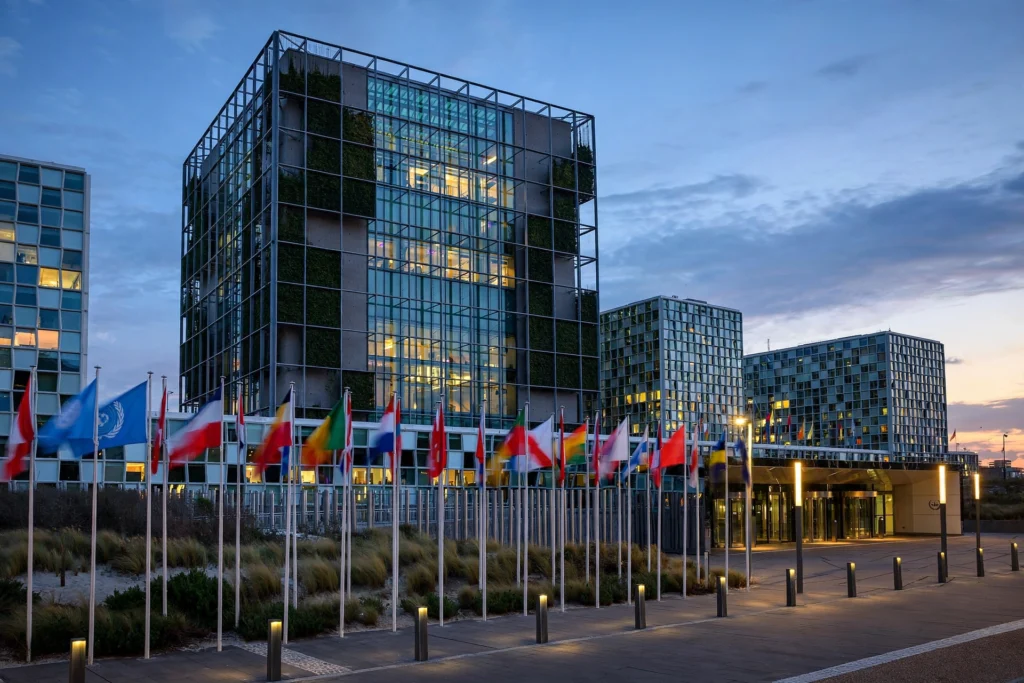
The move escalates a long-running dispute between Washington and the Hague-based tribunal over arrest warrants and investigations involving Israeli and American personnel. Rubio said the administration would ban transactions with the court, a step officials described as intended to protect US sovereignty.
US sanctions ICC ultimatum and timeline
According to Le Monde and other reports, the sanctions are scheduled to take effect April 9, 2027, unless the court meets US demands before then. Those demands include canceling arrest warrants issued in November 2024 for Israeli Prime Minister Benjamin Netanyahu and former defense minister Yoav Gallant, closing investigations related to US military actions in Afghanistan and CIA detention sites in Europe, and reforming the court’s statute regarding nationals of non-member states.
The Treasury Department issued a six-month wind-down period for companies and individuals doing business with the court, according to CNN and Military.com reports. The State Department said that window was intended to allow time for diplomatic and legal resolutions addressing US concerns.
- ICC added to Treasury Specially Designated Nationals list
- Six-month wind-down for US-linked business with the court
- Effective date set for April 9, 2027, if demands are not met
- Prior US sanctions had targeted individual court officials
International reaction to the sanctions
The ICC condemned the decision, describing it as an assault on the rule of law and the foundations of the international legal order, according to statements reported by Reuters and WAM. ICC Deputy Prosecutor Nazhat Shameem Khan said the court’s work would continue across investigations and prosecutions.
Foreign ministers from Canada, Denmark, Germany, France, Italy, Japan, the Netherlands and the United Kingdom issued a joint statement reaffirming support for the court’s independence, according to multiple reports. UN Secretary-General Antonio Guterres also condemned the decision through a spokesperson, calling it a serious blow to international criminal justice.
European states, Canada, Japan and the UN publicly backed the court following the announcement, Al Jazeera reported. The reaction underscored a widening gap between Washington and several close allies on the role of international tribunals.
Timing alongside the Nobel announcement
The announcement came hours after the Norwegian Nobel Committee awarded the 2026 Nobel Peace Prize to Navanethem Pillay, a former ICC judge. US officials said the sanctions decision had been in preparation before the Nobel announcement, according to Associated Press reporting.
The ICC, established in 2002 in The Hague, investigates and prosecutes individuals for war crimes, genocide and crimes against humanity. The United States, Israel, Russia and several other states are not parties to its founding treaty.
What the US sanctions ICC decision means
If implemented as announced, the sanctions would block ICC assets in US jurisdictions and penalize entities that provide financial or other services to the court, according to Treasury descriptions reported in US media. Legal experts cited in coverage said the scope — sanctioning the institution rather than individuals — was unprecedented.
Allied governments said they would continue funding and cooperating with the court. The State Department said the timeline could be adjusted depending on progress addressing US concerns.
Diplomatic discussions are expected in the coming months, though court officials have given no indication they will cancel warrants or close investigations in response to the ultimatum.
How allies are responding in practical terms
Several allied foreign ministries said they would continue political and financial support for the court, according to their joint statement. Diplomats quoted in European coverage said the six-month wind-down period would be used for consultations in Washington and The Hague, though none indicated the court was preparing to meet the US demands on warrants or investigations.
In The Hague, court officials emphasized continuity of operations. The deputy prosecutor’s remarks, reported by Reuters, stressed that investigations and prosecutions would proceed across all situations before the court. Staff and service providers with US links are expected to seek legal guidance during the wind-down window described by Treasury.
For US companies, the practical effect described by Treasury is a prohibition on transactions with the court as an institution once the sanctions take full effect, unless a specific license is granted. Previous sanctions on individual judges and prosecutors had already complicated some travel and financial dealings, according to earlier State Department statements summarized in US coverage.
Congressional reaction in Washington had not been fully detailed by Saturday, though the announcement is expected to feature in upcoming foreign relations hearings given the public split with close allies.
Pingback: Navi Pillay Wins Nobel Peace Prize 2026 for Law Work