
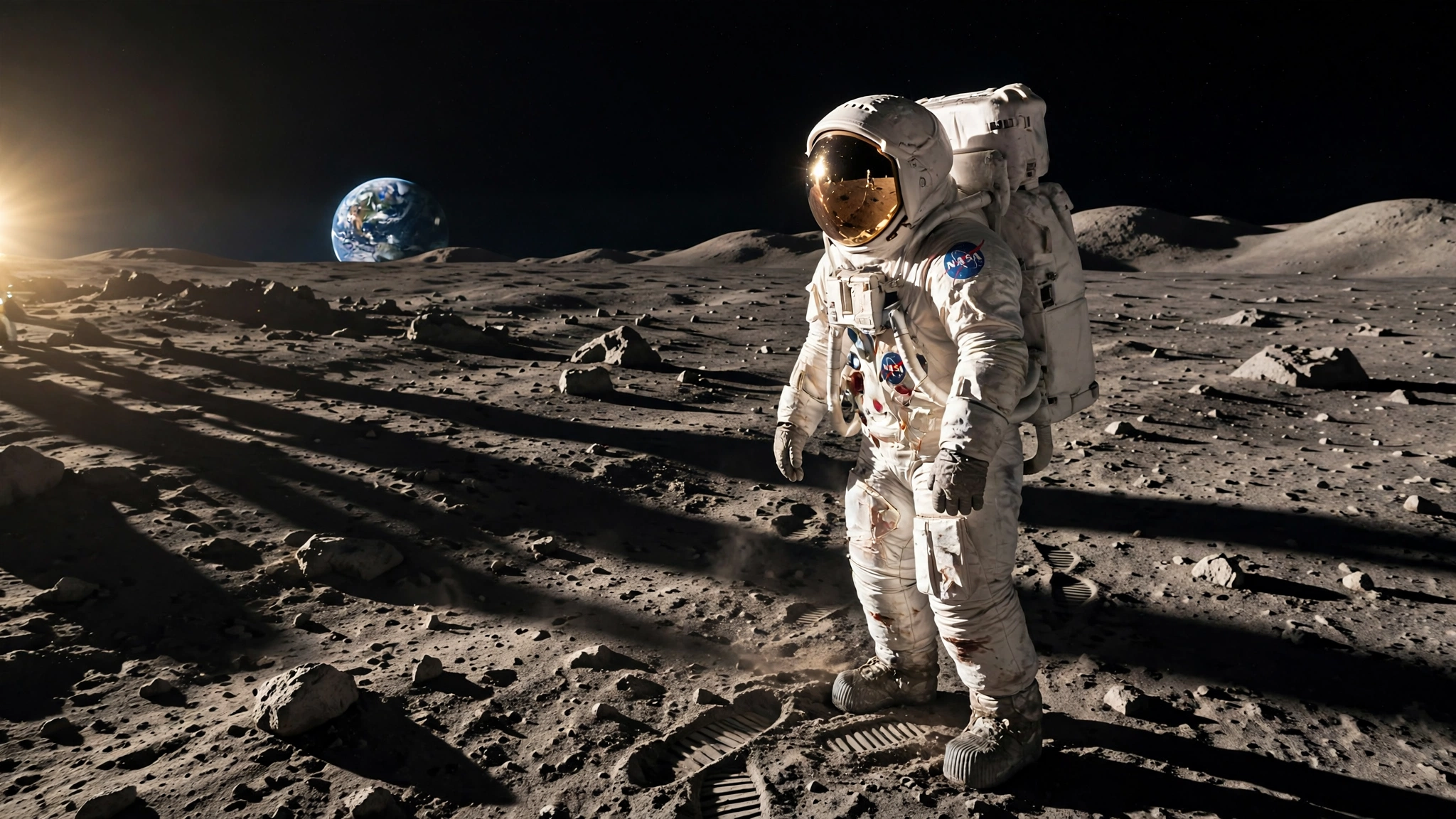
NASA astronaut applications opened on Saturday, November 7, as the space agency began recruiting a new class of explorers to support its Artemis program and the planned return of astronauts to the surface of the Moon. U.S. citizens have until December 3, 2026, to apply.
The recruitment drive is the first open call for new astronauts since 2024, when NASA says it received more than 8,000 applications. The agency announced the opening during an air show at the Kennedy Space Center in Florida, according to the Associated Press, and published the vacancy in its release numbered RELEASE26-093.
NASA says the new class will help grow the astronaut corps, which currently stands at just 32 active astronauts, as it prepares for increasingly demanding missions around the Moon and, eventually, to Mars.
What NASA is looking for
The agency is framing this class around the Moon rather than low Earth orbit. Selected candidates will train to operate on the lunar surface, live and work beyond Earth, and help build a permanent lunar base, NASA said. The work is also meant to lay the groundwork for future crewed missions to Mars.
Applicants must be U.S. citizens and hold a master’s degree in a science, technology, engineering or mathematics field from an accredited institution, along with at least three years of related professional experience after completing the qualifying degree. NASA says neither military service nor flying experience is required.
Training for the new candidates will cover spacewalking, lunar geology, spacecraft systems, robotics, and flying high-performance aircraft. The agency links the program to Artemis missions near the Moon’s south pole, where it aims to establish an enduring human presence.
A long road to selection
Applying is only the first step in a process that will take more than a year. NASA says application review is scheduled from December through April 2027, with initial interviews and assessments at the Johnson Space Center in Houston planned for the spring.
The agency expects to announce its next candidate class in the fall of 2027, with recruits reporting to Johnson in the winter of 2027-28. The timetable is tentative and may shift depending on how many applications arrive.
NASA has not announced the size of the new class. In the 2024 round, the agency selected 10 candidates from more than 8,000 applicants, a reminder of how competitive the process is. Selection is also no guarantee of a particular mission: the agency says it has not said which candidates will fly which missions.
Why NASA needs more astronauts now
The recruitment comes at a turning point for the Artemis program. In April 2026, the Artemis II crew completed a lunar flyaround, kicking off the crewed phase of the lunar campaign. NASA intends to return astronauts to the lunar surface in 2028, after an absence of more than half a century, with Artemis III commander Randy Bresnik leading that landing mission.
With only 32 active astronauts, NASA says its current corps is too small for the workload ahead. The agency needs crews for lunar missions, for work on the planned lunar base, and for the long preparation required for Mars, while still supporting operations in low Earth orbit.
NASA Administrator Jared Isaacman framed the call as a historic opening, saying the people selected could walk on the Moon and help pioneer the systems that will eventually carry humans to Mars. The agency also announced new awards for eight private-sector companies, including Blue Origin, Lockheed Martin, Northrop Grumman, and SpaceX, which will compete for delivery missions to the lunar surface.
What the new astronauts will do
Unlike earlier classes, which were trained mainly for the International Space Station, the new recruits will be prepared from the start for deep space. NASA says they will train to operate on the lunar surface and to live and work beyond Earth, with an emphasis on the skills needed for a sustained presence on the Moon.
The agency describes the goal as building a permanent lunar base and using the Moon as a proving ground for Mars. That means the astronauts selected in 2027 are meant to become the crews who work on the Moon for extended periods, not just visit it.
For applicants, the appeal is clear: a chance to be part of the first generation of astronauts to live and work on another world. For NASA, the challenge is finding people with the right mix of technical skill, physical fitness, and psychological resilience for missions far from home.
How to apply
Applications must be submitted through NASA’s official astronaut recruitment portal by 11:59 p.m. Eastern time on Thursday, December 3, 2026. The agency says full details and the application link are available on its recruitment page.
Prospective applicants should expect a demanding process. Beyond the degree and experience requirements, candidates face medical screening, psychological evaluation, and multiple rounds of interviews before the final class is chosen.
NASA typically allows 12 to 18 months from the closing of applications to the final announcement of a new class. For those who make it, training begins in early 2028, the same year NASA aims to put astronauts back on the Moon.