
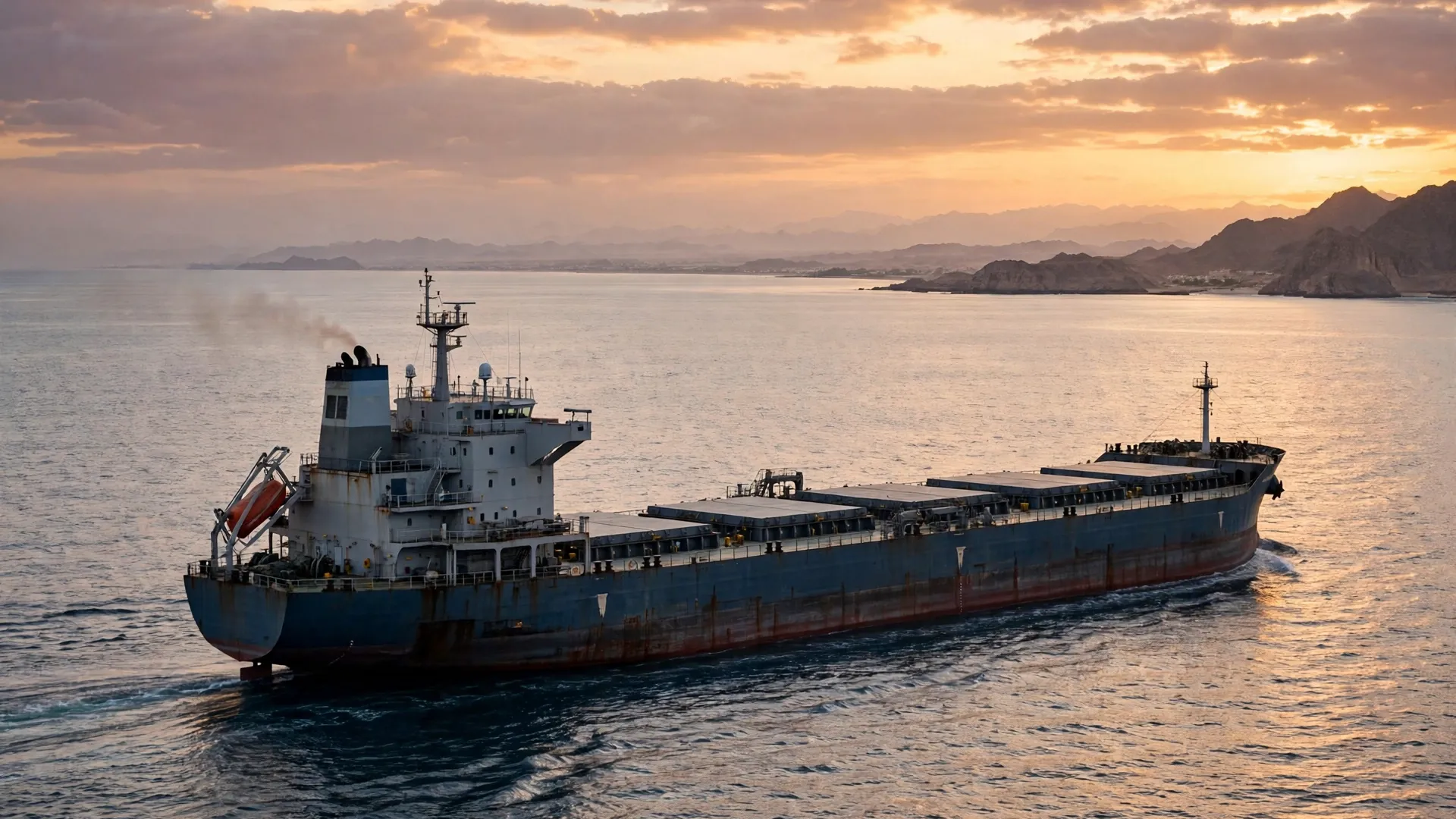
The US military disabled a commercial ship in the Gulf of Oman after it tried to run the American blockade of Iranian ports, US Central Command said on Friday, in the latest escalation of the months-long standoff over Iran.
Military aircraft fired precision munitions at the stern of the Palau-flagged bulk carrier M/V Pacific Archer on Thursday, November 26, and the ship’s propulsion was disabled, CENTCOM said in a statement. The civilian crew was unharmed.
According to CENTCOM, the Pacific Archer had departed from the Iranian port city of Bandar Abbas before attempting to run the blockade. Ship-tracking websites list the vessel’s destination as Singapore. CENTCOM said the crew received multiple warnings before the strike and released a brief video of the operation.
Pacific Archer Iran blockade strike is the 15th of its kind
The Pacific Archer is at least the 15th vessel disclosed as disabled by the US military since the blockade began in the spring, and the sixth since it resumed this summer, according to the Associated Press. The previous vessel was disabled on November 7.
Since the blockade began, the US military says it has redirected 158 merchant ships and disabled those that refuse to comply. CENTCOM has consistently said American forces issue multiple warnings before firing on merchant vessels.
The strike comes as the Trump administration weighs its options in the long-running confrontation with Iran, which began at the end of February and has settled into a quiet stalemate in recent months, according to the Associated Press.
Tehran responded defiantly. An adviser to Iran’s supreme leader said Iran would keep the Strait of Hormuz shut while vowing to break the US embargo, Reuters reported. The claims from both sides could not be independently verified, Al Jazeera noted.
What is known about the ship
CENTCOM did not identify the ship’s cargo or its intended destination, or say whether the vessel was towed after the strike. The ClassNK ship register lists the Pacific Archer as a bulk carrier, not an oil tanker, according to the Jerusalem Post.
The distinction matters because the blockade has focused heavily on oil shipments, which are central to Iran’s economy. A bulk carrier attempting the run suggests the enforcement campaign is being applied broadly to commercial traffic leaving Iranian ports, not only to tankers.
Why the blockade exists
The US naval blockade of Iranian ports began in the spring of 2026, part of Washington’s campaign of maximum pressure on Tehran’s oil revenues. Under the rules of the blockade, merchant ships leaving Iranian ports are warned, tracked, and redirected. Vessels that refuse to comply have their propulsion disabled by precision strikes — a tactic the US has now used at least 15 times.
The campaign sits at the intersection of economics and geography. The Strait of Hormuz, the narrow waterway between Iran and Oman, carries a large share of the world’s seaborne oil. An Iranian adviser to the supreme leader said this week that Tehran would keep the strait shut, a threat that has hung over global energy markets for months and helped push Brent crude toward $97 a barrel this week after a projectile struck the Jizan refinery in Saudi Arabia on November 26.
Stalemate at sea
The blockade is one of the main points of pressure the United States has maintained on Tehran this year, alongside sanctions on what Washington calls Iranian “shadow banking” networks. The campaign has squeezed Iran’s economy while stopping short of a wider military confrontation.
The confrontation has flared repeatedly in recent weeks. Earlier in November, the US deployed a third aircraft carrier to the Middle East as tensions rose around the Strait of Hormuz, and Iran struck US bases in Kuwait and Bahrain on November 19. Each incident has raised the same question: whether the standoff will stay a war of enforcement and sanctions, or tip into something larger.
President Donald Trump said during Thanksgiving calls with American service members that his administration was giving Tehran every chance to make a deal, while expressing doubt that Iran would take it.
Whether the Pacific Archer incident marks a new phase or simply the latest routine enforcement action remains unclear. What is clear is that the pattern is now well established: ships leaving Iranian ports face warnings, redirection, or, if they refuse, a disabling strike — and Tehran has so far answered with defiance rather than compliance.