
Russia Strikes Ukraine Energy Grid, 600,000 Lose Power
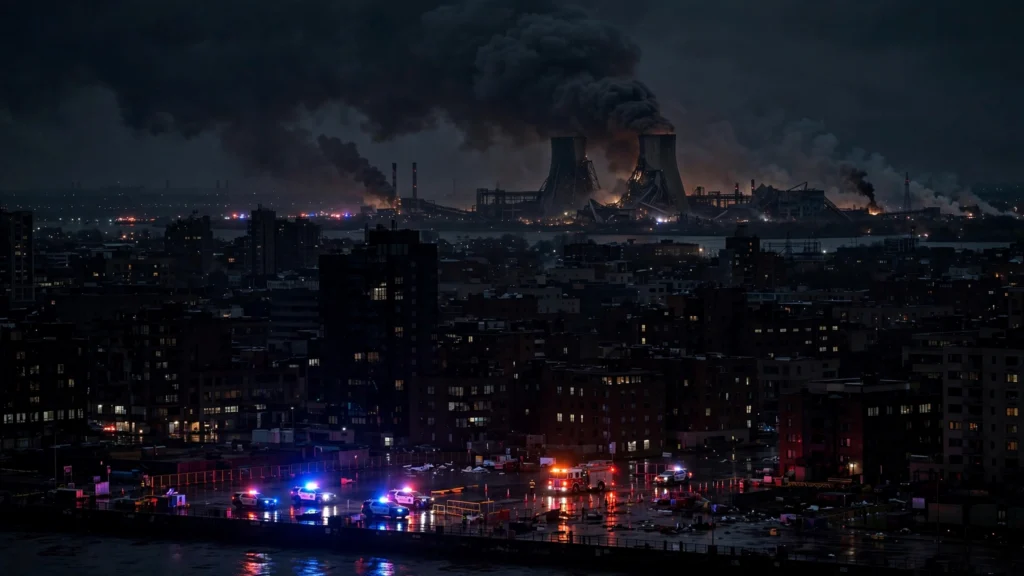
Russia launched one of the largest overnight Russia Ukraine energy strikes of the war early Wednesday, firing 39 ballistic missiles and more than 120 drones and loitering munitions at Ukraine’s power grid and critical infrastructure, Ukrainian President Volodymyr Zelenskyy said. The hours-long assault primarily targeted Kyiv and Kharkiv, damaged about 30 energy facilities, and left at least 600,000 people without electricity, according to Ukrainian authorities.
At least three people were killed in Kyiv, with dozens injured, local officials said. The attack landed just days after US President Donald Trump announced what he described as an “energy ceasefire,” an agreement that neither Moscow nor Kyiv had confirmed.
Key facts from the overnight attack
- Arsenal: 39 ballistic missiles and more than 120 attack drones and loitering munitions, according to Zelenskyy.
- Main targets: Energy facilities in Kyiv, the Kyiv region, and Kharkiv, Ukraine’s second-largest city.
- Damage: Equipment at 26 elements of Ukraine’s power system and four oil and gas facilities, per Zelenskyy; Reuters reported about 30 energy facilities damaged overall.
- Power loss: At least 600,000 people without electricity, with warnings that outages could spread further.
- Casualties: At least three killed and dozens injured in Kyiv; CNN reported local officials across several regions saying at least 10 people were killed in the strikes overnight and early Wednesday.
Russia Ukraine energy strikes defy announced ceasefire
Zelenskyy called the assault a deliberate attack on “the very infrastructure covered by the ceasefire announced by the American President,” in posts on X reported by CNN and other outlets. He accused Moscow of “ostentatious disrespect” toward Trump’s peace effort, writing that the strike was “entirely deliberate and demonstrative in its scale” and that “Russia does not consider the American President’s statements strong.”
Trump, who lifted sanctions on Russian diesel last week in a bid to lower politically sensitive fuel prices, said last weekend that both sides had agreed to halt strikes on energy infrastructure. Reuters, reporting by Dan Peleschuk, noted that neither Moscow nor Kyiv confirmed any such deal. Russia’s defense ministry said on Wednesday that it had struck four power plants in and around Kyiv and two in Kharkiv, among other targets, appearing to make no concession to the announced truce.
Zelenskyy urged Washington and its partners to respond with stronger measures, including additional sanctions against Moscow and more air defense support for Kyiv. He specifically asked for extra supplies of Patriot missile interceptors, according to Reuters and hromadske.ua.
Kyiv takes the heaviest human toll
The capital absorbed some of the worst damage to civilian life. According to Ukraine’s State Emergency Service, cited by hromadske.ua, a missile struck a nine-story residential building in Kyiv’s Desnianskyi district, killing two people and injuring 21. Firefighters extinguished a 400-square-meter blaze, and rescue workers evacuated 16 residents from the damaged building.
Another person was killed and one injured when a nonresidential building was hit in the Holosiivskyi district, officials said. Fires were also reported in several other parts of the capital, and Kyiv Mayor Vitali Klitschko said ballistic missiles targeted energy facilities in the city and surrounding region, triggering emergency power outages across several districts.
One of the major targets was Kyiv’s CHPP-4 combined heat and power plant, a key energy facility serving the capital, hromadske.ua reported.
Ukraine intercepted just 4 of 39 missiles
Ukraine reported downing only four of the 39 ballistic missiles, reflecting the strain on Kyiv’s air defenses, Reuters reported. The low interception rate underscores Ukraine’s weakened ability to stop fast-moving ballistic missiles and jet-powered drones amid a shortage of advanced interceptor missiles.
Zelenskyy complained that Ukraine had not received early warnings of the ballistic launches, calling it “absolutely unjust.” Ballistic missiles can reach Kyiv within minutes of launch, leaving little time to respond, and in some recent attacks air raid sirens sounded at the same time as the first explosions, according to CNN.
For months, Zelenskyy has urged partners to supply more ballistic-missile interceptors, one of the few weapons capable of knocking down missiles traveling faster than the speed of sound. The night’s toll sharpened that appeal: CNN noted that Ukraine also relies on military-grade Starlink services to operate interceptor drones against Russia’s jet-powered attack drones, and officials warned that restrictions on those services are disrupting defenses.
Winter fears grow as railways are hit too
The overnight barrage fit a familiar Russian pattern: stepped-up attacks on Ukrainian cities and energy infrastructure ahead of winter, raising fears of widespread power and heating outages across the country. Wednesday’s attacks also targeted state railway facilities in five regions across Ukraine, Prime Minister Sergii Koretskyi said, threatening transport links as repair crews raced to restore electricity.
Ukraine, for its part, has increasingly been attacking Russian oil refineries and logistics hubs in recent months, which Kyiv views as one of the few ways it can respond to more than four and a half years of Russian bombardment, Reuters noted.
What to watch next
Repair crews, power company staff, and the State Emergency Service were working Wednesday morning to restore supply, and officials warned outages could spread before they stabilize. Zelenskyy said there could be “even larger outages” and significant damage at the affected facilities.
Whether Washington responds to Zelenskyy’s call for stronger sanctions and additional Patriot interceptors is now the key open question. With neither side confirming Trump’s “energy ceasefire,” and Russia’s defense ministry openly claiming the strikes on power plants, the attack suggests the diplomatic track announced last weekend may already be unraveling, even as winter approaches for millions of Ukrainians.
Pingback: DOE Issues Blackout Emergency Order Across 13 States